Synergies between EQAVET and ESG Workshop
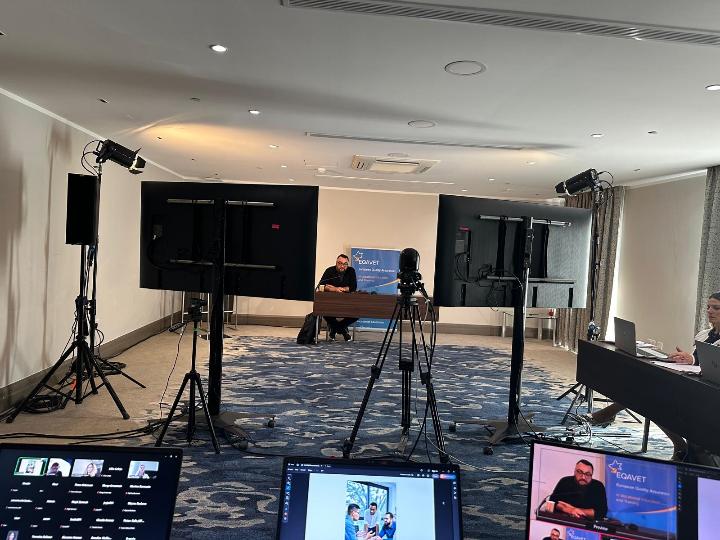
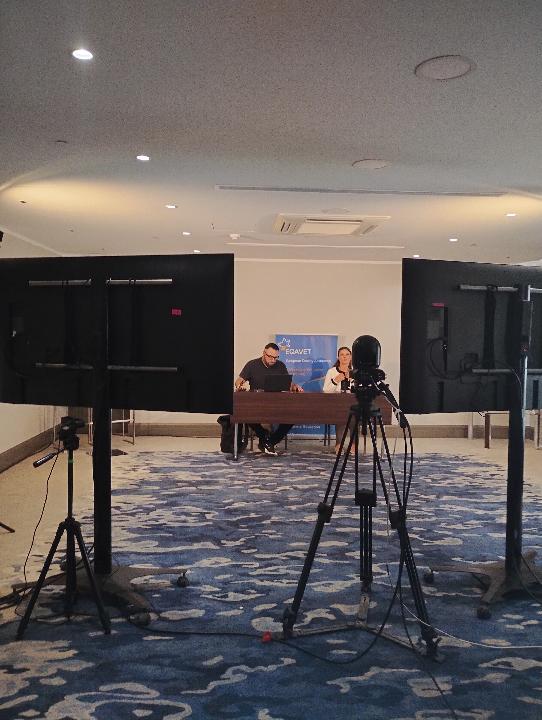
As part of the EQAVET 2023 Project, the Malta Further and Higher Education Authority (MFHEA) organised an online workshop entitled “Synergies between EQAVET and ESG.”
Project Overview
- Project Name: CPD in VET QA
- Project Date : Tuesday, 14th of October 2025
- Venue: Online Webinar
- Speakers: Dr Carlos Grima and Prof. Mine Karatas-Ozkan
As part of the EQAVET 2023 Project, the Malta Further and Higher Education Authority (MFHEA) organised an online workshop entitled “Synergies between EQAVET and ESG.”
The purpose of this session was to explore the interconnections between the European Quality Assurance in Vocational Education and Training (EQAVET) framework and the Standards and Guidelines for Quality Assurance in the European Higher Education Area (ESG). By examining their shared principles and complementary objectives, the event aimed to enhance participants’ understanding of how both frameworks can be effectively implemented to strengthen institutional quality assurance mechanisms in Malta’s further and higher education sectors.
The workshop provided a platform for dialogue among policy makers, quality assurance practitioners, and educational leaders, focusing on unlocking the strengths of EQAVET, understanding the ESG standards, and identifying practical synergies that can promote coherent and transparent quality assurance systems across education and training levels.
Objectives of Participation
The main objectives of the Synergies between EQAVET and ESG workshop were to:
- Deepen participants’ understanding of the conceptual and practical links between EQAVET and ESG.
- Explore how the two frameworks can jointly support coherent national quality assurance policies.
- Encourage institutions to align internal quality processes with European reference frameworks to promote mutual trust, transparency, and mobility.
- Identify examples of good practice and shared principles that reinforce continuous improvement in both VET and higher education contexts.
- Strengthen the MFHEA’s ongoing efforts to promote collaboration among stakeholders and enhance quality assurance capacity across all education sectors.
Structure and Engagement
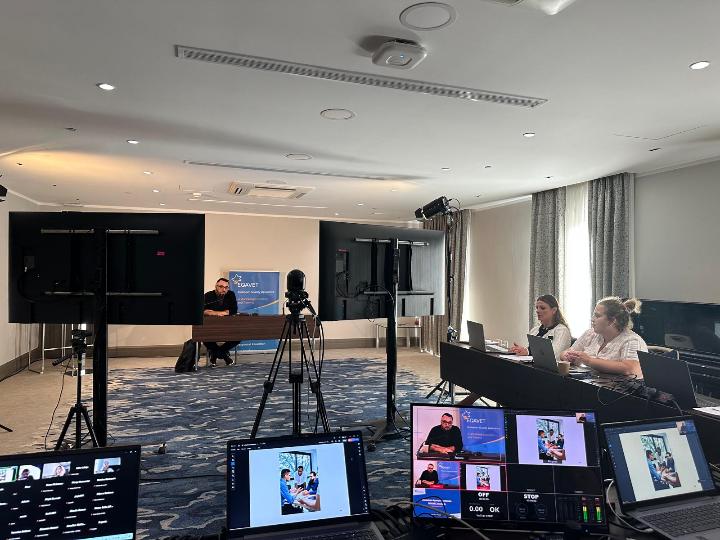
The three-hour online workshop followed an interactive and structured format, combining formal presentations, Q&A sessions, and participant reflection.
The session opened withDr Carlos Grima introducing the event and its objectives within the EQAVET 2023 Project. Participants were reminded of the online house rules to ensure a smooth and inclusive virtual experience.
The workshop was divided into three thematic parts:
Part A – Unlocking the Strengths of the EQAVET Framework
This segment provided a comprehensive overview of the EQAVET framework, focusing on its role in supporting continuous improvement in vocational education and training. The facilitators discussed how EQAVET indicators, quality cycles, and stakeholder involvement contribute to transparent and evidence-based quality management systems. Participants reflected on how these mechanisms could be adapted within their own institutions to foster a culture of quality.
Part B – Understanding the ESG Standards and Guidelines
Prof. Mine Karatas-Ozkan presented the structure and intent of the ESG, emphasising its focus on internal and external quality assurance in higher education. The session examined how ESG standards promote accountability, learner-centred approaches, and institutional autonomy, while also ensuring consistency and comparability across Europe. Discussion centred on how ESG principles can inform quality policies in vocational and lifelong learning contexts. Part C – Exploring the Shared Principles of EQAVET and ESG
The final part explored the synergies between both frameworks, highlighting common principles such as stakeholder engagement, evidence-based decision-making, transparency, and continuous improvement. Through guided discussion, participants identified areas of overlap that could serve as a foundation for an integrated national approach to quality assurance. The facilitators encouraged cross-sectoral dialogue and collaboration to support a seamless learner journey between VET and higher education.
Each thematic section was followed by a Questions & Comments period, allowing participants to exchange insights and share institutional practices.
Participation and Interaction
The workshop attracted participants from a diverse range of institutions, including representatives from higher education providers, VET institutions, and quality assurance officers. The online format allowed for active participation from stakeholders across Malta’s education and training landscape.
Attendees engaged through the chat and discussion tools, contributing reflections on the similarities and distinct challenges of applying EQAVET and ESG in their respective contexts. Many participants emphasised the value of adopting a unified quality culture across education sectors to facilitate learner mobility and recognition of qualifications.
The facilitators observed a strong commitment among participants to strengthening quality assurance systems and to developing collaborative strategies that bridge vocational and academic education.
Feedback and Observations
Feedback from participants was relatively positive. The structured format combining, short presentations, breaks, breakout rooms and interactive Q&A sessions was appreciated for maintaining engagement and encouraging reflection.
Participants noted that the comparative approach between EQAVET and ESG provided valuable clarity on how both frameworks complement one another. Several attendees highlighted the importance of maintaining open communication between institutions and regulators to ensure coherent implementation of quality standards.
Common themes emerging from the discussion included:
- The need for capacity building in applying European frameworks locally.
- The importance of aligning internal QA systems with European and national reference points.
- The shared commitment to student-centred learning, staff development, and evidence- based evaluation.
Overall, participants commended the facilitators for providing a clear and insightful analysis of two complex yet interrelated frameworks.

MFHEA
View Profile